AI-Powered Plant Recognition

Identify Any Plant
Instantly

0Species Database
0App Store Rating
0Downloads

Your Personal
Botanist in Your Pocket

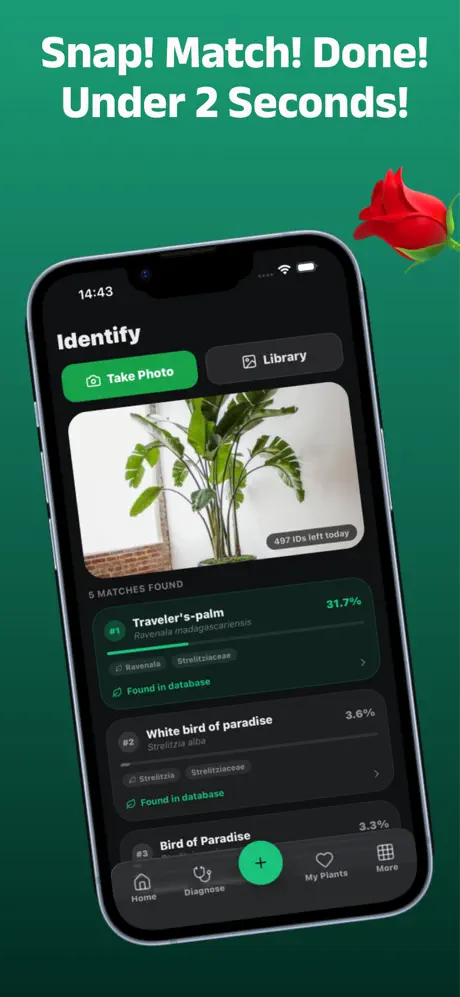
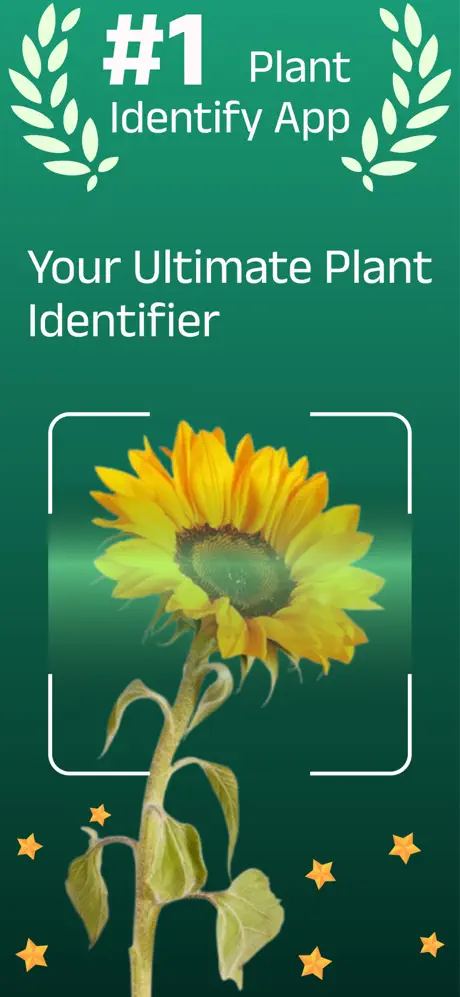
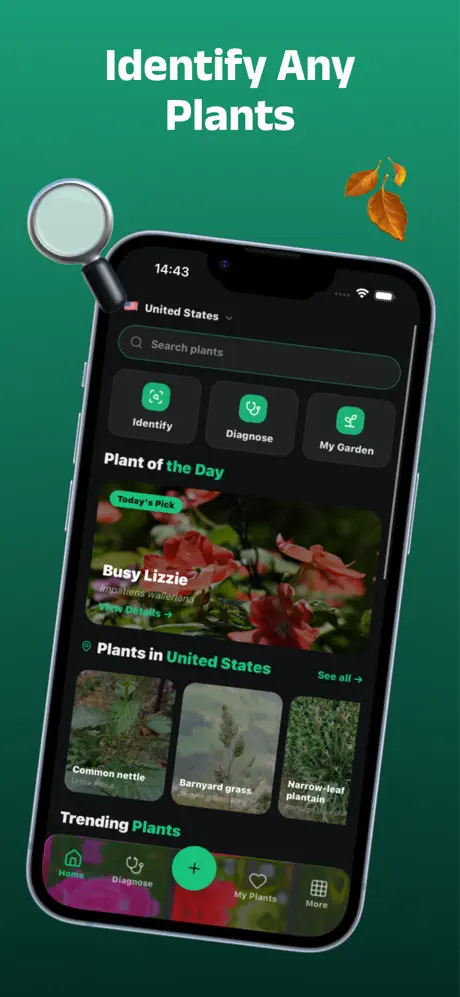
Point your camera at any plant and get an instant, accurate identification. From common houseplants to rare wildflowers, our AI has you covered with detailed species information and care guides.

Get the App
Plant Identifier App
Plant Identifier
Flower ID
Identify Plant

Identify a Plant Online

Upload a photo and let our AI analyze it. For full species details, care tips, and disease detection, download the app.

Drop your plant photo here

or click to browse (JPG, PNG, HEIC)

Plant preview

AI is analyzing your plant...

Rosa damascena
Damask Rose - Rosaceae Family
Confidence
97.3%
Toxicity
Non-Toxic
Sunlight
Full Sun
Watering
Moderate

Plant Identified!

Download the app for full identification, care tips, and more.

Get Full Results

Everything You Need to
Know Your Plants

Powered by advanced AI trained on millions of plant images for fast and accurate identification.

AI Plant Identification

Snap a photo and instantly identify any of 10,000+ plant species with high accuracy using our advanced neural network.

Disease Detection

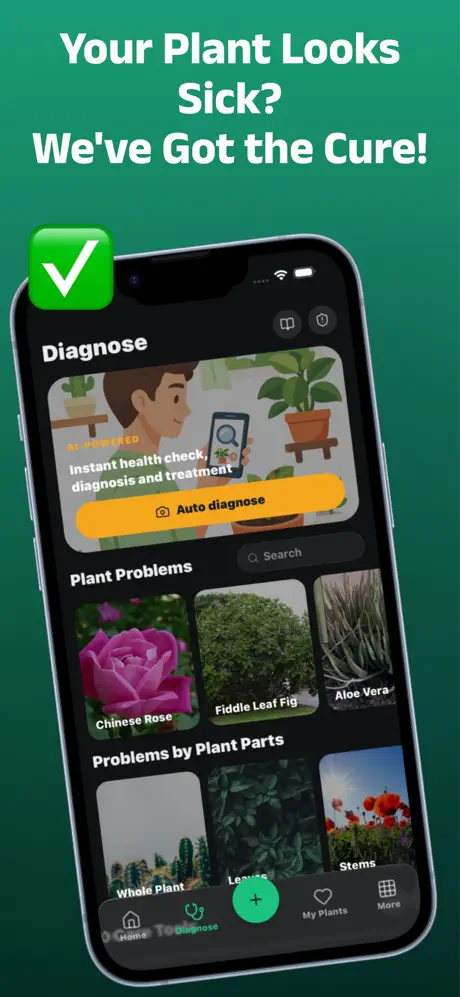
Detect plant diseases, nutrient deficiencies, and pest damage early. Get treatment recommendations to save your plants.

Care Tips & Guides

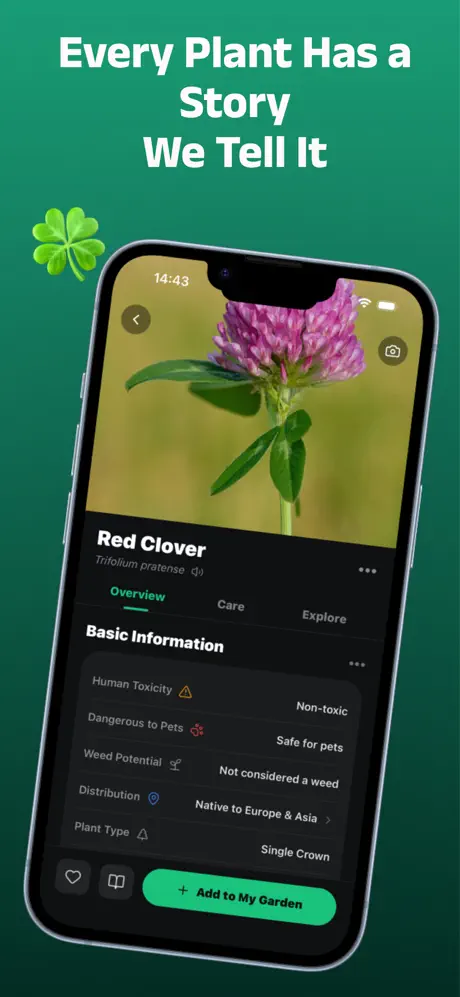
Get personalized watering schedules, sunlight requirements, soil preferences, and seasonal care instructions for every plant.

Mushroom Identifier

Safely identify mushroom species with toxicity warnings. Know which mushrooms are edible and which are dangerous.

Tree Identifier

Identify trees by their leaves, bark, flowers, or fruit. Access detailed information about growth patterns and characteristics.

Weed Scanner

Identify invasive weeds in your garden and get eco-friendly removal strategies to protect your landscape.

Three Simple Steps

Identifying plants has never been easier. Our AI does the heavy lifting so you can focus on exploring nature.

1

Snap a Photo

Take a clear photo of any plant - a leaf, flower, bark, or the whole plant will work.

2

AI Identifies

Our AI analyzes your photo against 10,000+ species and returns accurate results in seconds.

3

Learn & Care

Get detailed species info, care tips, toxicity warnings, and save plants to your collection.

Loved by Plant Enthusiasts

See what our users are saying about Plant Identifier.

★★★★★

"I used to struggle identifying plants on my hikes. This app changed everything - it's incredibly fast and accurate. I've identified over 200 species in my area!"

SL
Sarah L.
Verified Purchase
★★★★★

"The disease detection feature saved my entire rose garden. It spotted early signs of black spot fungus that I completely missed. Worth every penny."

MR
Mark R.
Verified Purchase
★★★★★

"As a botany student, this is my go-to field companion. The species database is extensive and the care information is genuinely helpful. Best plant app I've tried."

JK
Jessica K.
Verified Purchase
★★★★★

"My kids love using it on nature walks. It's turned our weekend hikes into educational adventures. The mushroom identifier gives great safety warnings too."

DP
David P.
Verified Purchase

Essential tips for identifying and caring for your plants

How to Identify Any Plant Using Your Phone

Ever spotted a beautiful flower on a walk and wondered what it is? Plant identification apps use AI to instantly recognize over 30,000 species from a single pho...

Ever spotted a beautiful flower on a walk and wondered what it is? Plant identification apps use AI to instantly recognize over 30,000 species from a single photo.

How AI Plant Identification Works

Modern plant ID apps use deep learning models trained on millions of plant images. Simply point your camera at any leaf, flower, bark, or fruit, and the AI cross-references visual features against its database. The best apps achieve over 95% accuracy for common species and can identify plants from partial features like a single leaf.

Tips for Better Plant Identification

For the most accurate results: photograph the plant in natural light, include close-ups of leaves (showing both surfaces), capture any flowers or fruits, and take a full-plant photo showing growth habit. Avoid blurry images and try to fill the frame with the plant feature. Multiple photos from different angles improve accuracy for unusual species.

What You Can Identify

AI plant identifiers work on houseplants, garden flowers, trees, shrubs, succulents, cacti, ferns, grasses, and even mushrooms. They can identify plants at any growth stage, from seedlings to mature specimens. Some apps also recognize plant diseases, pests, and nutritional deficiencies from leaf symptoms.

Why Identification Matters

Knowing your plant's species unlocks specific care instructions: light requirements, watering schedules, soil preferences, and common problems. It's also critical for safety, as some beautiful plants are toxic to pets or children. A quick scan can potentially prevent a trip to the emergency room.
Top 15 Low-Maintenance Houseplants for Beginners

New to plants? These easy-care houseplants are practically unkillable and perfect for building your confidence as a plant parent. Near-Indestructible Options Sn...

New to plants? These easy-care houseplants are practically unkillable and perfect for building your confidence as a plant parent.

Near-Indestructible Options

Snake Plant (Sansevieria) thrives on neglect. It tolerates low light, irregular watering, and poor soil. Water every 2-3 weeks and it'll reward you with striking vertical leaves. Pothos (Epipremnum aureum) is the ultimate beginner vine. It grows in any light condition and can survive weeks without water. Just trim and propagate to share with friends.

Statement Plants That Are Easy

Monstera Deliciosa (Swiss Cheese Plant) looks exotic but is surprisingly forgiving. Give it indirect light, water when the top inch of soil is dry, and watch those iconic split leaves unfurl. Rubber Plant (Ficus elastica) makes a bold statement with its glossy, dark leaves. It's far easier than its fussy Fiddle Leaf Fig cousin.

Low-Light Champions

ZZ Plant (Zamioculcas) actually prefers low light and stores water in its thick stems, making it drought-tolerant. Chinese Evergreen (Aglaonema) comes in beautiful variegated patterns and thrives in dimly lit offices and bedrooms. Cast Iron Plant (Aspidistra) earned its name by surviving conditions that would kill most houseplants.

Succulents for Sunny Spots

Jade Plant, Echeveria, and Haworthia are excellent starter succulents. Place them in a bright window, water sparingly (every 2-3 weeks), and use well-draining soil. They're perfect for windowsills, desks, and shelves.

Use a plant identifier app to learn the specific care needs for each plant. Snap a photo, get the species name, and access tailored watering, light, and soil recommendations.

Common Plant Diseases: How to Spot and Treat Them

Even healthy plants can fall victim to diseases and pests. Learning to identify problems early is the key to saving your houseplants and garden plants. Yellowin...

Even healthy plants can fall victim to diseases and pests. Learning to identify problems early is the key to saving your houseplants and garden plants.

Yellowing Leaves

The most common plant complaint has multiple causes. Overwatering (soft, mushy yellow leaves) is the #1 killer. Underwatering causes dry, crispy yellow leaves. Nutrient deficiency shows as yellowing between green veins. Too much direct sun creates bleached, scorched patches. Correct the underlying issue and remove damaged leaves.

Fungal Infections

Powdery mildew appears as white, powdery spots on leaves. Improve air circulation and treat with neem oil. Root rot from overwatering causes mushy, dark roots. Repot in fresh soil, trim dead roots, and reduce watering. Leaf spot diseases create brown or black spots with yellow halos. Remove affected leaves and avoid getting water on foliage.

Common Pests

Spider mites create fine webbing under leaves. Spray with water and treat with insecticidal soap. Mealybugs look like small cotton clusters in leaf joints. Dab with rubbing alcohol. Fungus gnats are small flies in soil; let soil dry out between waterings and use yellow sticky traps. Scale insects appear as small brown bumps on stems; scrape off and treat with neem oil.

AI-Powered Plant Diagnosis

Modern plant identification apps can also diagnose diseases. Photograph the affected leaf or area, and AI analyzes the symptoms to suggest specific treatments. This saves guesswork and helps you act fast before problems spread to other plants.

Poisonous Plants: What Every Pet Owner Should Know

Many popular houseplants are toxic to cats, dogs, and children. Knowing which plants are dangerous can prevent serious health emergencies. Highly Toxic Housepla...

Many popular houseplants are toxic to cats, dogs, and children. Knowing which plants are dangerous can prevent serious health emergencies.

Highly Toxic Houseplants

Lilies (Lilium species) are extremely toxic to cats; even small amounts can cause kidney failure. Sago Palm is highly toxic to dogs and cats; ingestion can be fatal. Dieffenbachia (Dumb Cane) causes intense oral burning and swelling. Oleander is toxic to humans and animals; all parts of the plant are dangerous.

Moderately Toxic Plants

Pothos, Philodendron, and Monstera contain calcium oxalate crystals that cause mouth irritation and drooling. Aloe vera can cause vomiting and diarrhea in pets if ingested. Jade plants cause vomiting and depression in dogs and cats.

Pet-Safe Alternatives

Want greenery without worry? Choose Spider Plant, Boston Fern, African Violet, Calathea, Peperomia, Haworthia, or Parlor Palm. These are non-toxic to cats and dogs while still being attractive and easy to care for.

How to Stay Safe

When you bring home a new plant or encounter one outdoors, use a plant identifier to check its toxicity. The best apps include toxicity information for pets and children in their plant profiles. Place toxic plants on high shelves out of reach, and teach children not to touch or eat unknown plants.

App Screenshots

App Screenshot App Screenshot App Screenshot App Screenshot App Screenshot App Screenshot

Frequently Asked Questions

Everything you need to know about Plant Identifier.

Our AI model is trained on millions of verified plant images and achieves over 95% accuracy on common species. It can recognize 10,000+ plant species including flowers, trees, succulents, mushrooms, and weeds. The more common the plant, the higher the accuracy.
The identification requires an internet connection to access our cloud-based AI model, which ensures you always get the most accurate and up-to-date results. However, your saved plant collection and care schedules are available offline.
Yes! Our AI can detect common plant diseases, nutrient deficiencies, and pest damage. It will identify the issue and provide treatment recommendations to help you nurse your plant back to health. For best results, take a clear close-up photo of the affected area.
Our mushroom identifier provides helpful guidance and toxicity information, but we always recommend consulting with an expert mycologist before consuming any wild mushroom. The app is an excellent tool for initial identification and learning, but should not be the sole basis for determining edibility.
Yes, Plant Identifier is free to download on the App Store. You can try the core identification features for free. A premium subscription unlocks unlimited identifications, disease detection, detailed care guides, and an ad-free experience.

Start Identifying Plants
Today

Join hundreds of plant lovers who use Plant Identifier every day to explore and understand the natural world.

Download Free on App Store
5.0 Rating
336+ Downloads
10,000+ Species